Load Test Certification for Offshore and Marine Operations: A Guide to Safe Lifting Compliance
Introduction
Cranes, hoists, winches, lifting beams, spreader beams, davits, pad eyes, shackles, and other load-bearing devices are used in lifting operations in offshore and marine settings. These assets might be subjected to harsh environments, such as heavy loads, corrosion, vibration, repetitive loading, and seawater exposure.
Checking the state and operation of lifting equipment is hence a significant constituent of operational planning. A load test certification process is documentation that equipment has been inspected and tested in line with an approved procedure and as required.
In the case of offshore contractors, ship operators, shipyards and industrial lifting teams, appropriate certification is complemented by inspection, maintenance, testing and competent operation to ensure safe lifting activities and regulatory or project needs.
What Is Load Test Certification?
A load test certification process is a written account of the result of a controlled test and load test conducted on lifting equipment. The testing process determines the responsiveness of the equipment to a specified test load and documents pertinent data concerning the equipment, test conditions, and outcome.
Specific requirements depend on the type of equipment, rated capacity, manufacturer requirements, applicable regulations, industry standards and project requirements.
The equipment, safe working load or rated capacity, test load, test date, inspection findings, identification details, and name of the person or organisation that conducted the examination and test may be identified in a certificate or report.
Why Is Load Testing Important?
Load Testing offers a measured approach to testing the performance of lifting equipment under a certain load. It may be especially applicable in cases where machinery is new or commissioned, and even when it is repaired, altered, moved, and so on.
Testing is not to be considered as an alternative to routine inspection. Rather, it is an aspect of a broader equipment assurance procedure.
An appropriate program may incorporate both visual inspection, dimensional inspection, functional testing, NDT (where necessary), maintenance documentation, and controlled load testing to give a wider perspective on equipment condition.
What Equipment May Require Certification?
Precise specifications will be dependent on equipment and relevant regulations; however, offshore and marine lifting equipment may comprise:
- Cranes and crane parts.
- Hoists and winches
- Lifting beams and spreader beams.
- The lifting points and davits.
- Pad eyes and padeye assemblies.
- Lifting accessories such as shackles.
- Monorails and overhead lifters.
- Personnel lifting equipment
- Engineered lifting devices and special lifting frames.
Everything must be evaluated based on its design, rated capacity, purpose, and inspection requirements.
Lifting Equipment Inspection Before Testing
Lifting Equipment Inspection is an important part of the overall certification process. Equipment must be observed to check conditions that may influence safe testing before a test load is applied.
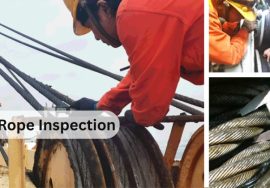
The inspectors can examine the corrosion, cracks, deformation, excessive wear, damaged welds, loose connections, faulty safety devices, hydraulic leakage, rope conditions, hook conditions, and other visible defects.
The lifting arrangement and supporting structure should also be taken into consideration. A test only has meaning when the entire test configuration is appropriate to the desired load.
In case a severe flaw is detected, a correction or additional examination might be required, and then the process of testing can be continued.
How Does a Load Test Work?
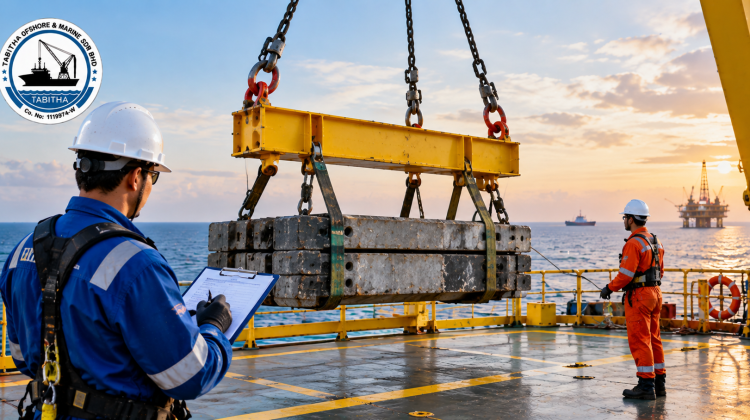
The first step in a standard controlled test is to determine the equipment and verify its rated capacity and test requirements. The test area is then prepared and appropriate test equipment or weights are set up.
The load is applied in a controlled manner, with relevant parameters being monitored. Observations can be load readings, deflection, movement, brake performance, hydraulic pressure, structural response, or other equipment-specific features depending on the equipment.
The equipment can be re-examined after the test to determine any observable changes or distress. The results are documented in the appropriate record.
The precise process must always be in compliance with the needs of the equipment and project.
What Is a Load Test Certificate?
A Load Test Certificate is a document that captures the pertinent information and the result of a load test. The information that it contains may differ based on the equipment and certification scheme used.
Common examples of information are equipment identification, rated capacity, test load, test date, location, inspection details, test observations, relevant criteria, and the competent person or organisation doing the work.
Proper documentation is also a consideration, as the certificates have a traceability effect. They are able to assist operators, maintenance teams, inspectors, and project managers to define when equipment has been checked and tested.
Supporting Lifting Equipment Certification
Lifting Equipment Certification is not a one-size-fits-all test. Based on the equipment and requirements that are in application, inspection findings, test results, identification information, maintenance history, and other supporting documentation may be included in the certification records.
An effective certification system can assist organisations to monitor equipment conditions and when additional inspection, testing, servicing or remedial work might be necessary.
Digital equipment registers may also facilitate tracking of the validity of certificates, date of inspection, equipment identification numbers and historical information.
Safe Lifting Compliance in Offshore Operations
Safe Lifting Compliance involves much more than having a valid certificate. Equipment should be properly chosen, serviced, checked, tested and operated within its scope of use.
The lifting plan must take into consideration the weight of the load, centre of gravity, lifting points, rigging arrangement, environmental factors, deck or ground stability, communication, exclusion zones and personnel competency.
The correspondence of certificates to the real equipment used is also required. Identification of equipment must be traceable and easily identifiable to ensure that an operator does not use documentation that is for a different asset.
When Should Equipment Be Load Tested?
The requirements of testing depend on the equipment in use, the place of use, the relevant legislation, the industry requirements, the manufacturer’s guidance, and the specifications.
Testing can be mandatory or optional following initial installation, commissioning, a major repair, structural change, relocation, or an incident which might impact equipment integrity. Testing could also be conducted periodically for certain types of lifting equipment.
Organisations ought to determine testing periods depending on relevant needs and not by the presumption that all lifting assets will be subjected to the same period.
Best Practices for Certification and Documentation
The starting point of a robust certification process is proper equipment identification and well-defined inspection standards. The equipment and rigging used, as well as the supporting structure, measuring devices, and test load, should be checked to ensure that they are suitable before testing.
When accepting or verifying the results of their measurements, measurement devices must be adequately calibrated. The examination and testing must be done by competent personnel in line with a set procedure.
After completion, clear documentation of results is to be done. Limitations, observations, corrective measures or restrictions must also be noted, as opposed to making reference to a pass or fail statement only.
Keeping records of the past also aids organisations in making a comparison of past inspection results and in assisting in future maintenance planning.
FAQs
Q1. What is a load test certification?
Ans: It is recorded records of the examination and controlled load test on relevant lifting equipment, which includes equipment description, condition of test, and the result.
Q2. Are load test certificate and inspection certificate similar?
Ans: Not necessarily. A load test certificate documents the result of a load test and an inspection certificate can document a wider test of equipment condition. Depending on the equipment and certification scheme used.
Q3. What is the frequency of load testing of lifting equipment?
Ans: The frequency needed is based on the type of equipment, applicable regulations, manufacturer regs, operating conditions, and project or industry requirements.
Q4. What is inspected during lifting equipment inspection?
Ans: Inspectors can check parts of corrosion, cracks, deformation, wear, broken welds, faulty safety devices, connection issues, and other factors that might impact safe operation.
Q5. Why do we need documentation subsequent to load testing?
Ans: Documentation provides traceability by documenting the equipment identity, test conditions, and results, as well as any other observations. It can assist with subsequent inspections, maintenance scheduling, and reviewing compliance.
Q6. Is it possible to use equipment due to its valid certificate?
Ans: A certificate is not a substitute for operational checks, proper rigging, maintenance, inspection, or safe operating procedures. Equipment must not be overloaded or operated outside the recommended capacity or operating conditions.
Related Services
Conclusion
Organized load testing certification offers valuable documentation that is used in checking the examination and testing of offshore and marine lifting equipment. With the backing of Load Testing, Lifting Equipment Inspection, maintenance, capable personnel, and proper records, it adds to a more controlled attitude towards the management of lifting equipment.
When it comes to offshore and marine, certification can be regarded as a part of a larger equipment assurance system. Proper identification, proper testing protocols, proper inspection, traceable records, and proper operational controls are all involved in Safe Lifting Compliance and good management of lifting assets during their service life.